They understand the resin
They may not see how the customer's tooling, preforming, line speed, surface route, tolerance, and production constraints change the material behavior.

laucomposites.com
Led by Liu Ruochuan, Lau Composites Advisory helps manufacturers evaluate resin systems, reinforcement design, tooling, process windows, surface routes, assembly, and certification readiness before samples, tooling, or production expose costly risks.
Resin system, reinforcement architecture, section design, and material-process fit.
Wet-out, cure, preforming, tooling behavior, line speed, straightness, and batch stability.
Assembly, surface route, test planning, certification preparation, and long-term outdoor performance risk.
Why this exists
A composite route can look correct in the datasheet and still fail in the line: poor wet-out, unstable cure, drifting straightness, coating defects, assembly mismatch, or a production rhythm that cannot hold tolerance at scale.
LAU Composites is built around process judgment. It connects resin chemistry, reinforcement design, preforming, tooling, pultrusion windows, surface strategy, assembly logic, and certification readiness into one technical decision path.
Independent Technical View
Material suppliers understand their own resin systems. Pultrusion factories understand their own production lines. Many launch problems happen in the interaction between material behavior, tooling, process control, and production constraints.
They may not see how the customer's tooling, preforming, line speed, surface route, tolerance, and production constraints change the material behavior.
They may not be able to redesign the resin route, formulation package, reinforcement logic, or material-process interface from first principles.
We evaluate whether the resin route, section design, preforming, tooling, pultrusion window, assembly plan, and validation path can work together in production.

Expert Lead
The advisory role is to read across resin chemistry, reinforcement design, preforming, tooling behavior, line speed, assembly details, and test readiness before a team commits money to a route that only looks correct on paper.
Worked inside the Finnish composites group environment, managing local R&D, communicating with overseas teams, localizing transferred projects, and supporting trial production for customer programs.
"I understand pultrusion better than most resin suppliers, and I understand resin systems better than most pultrusion factories."
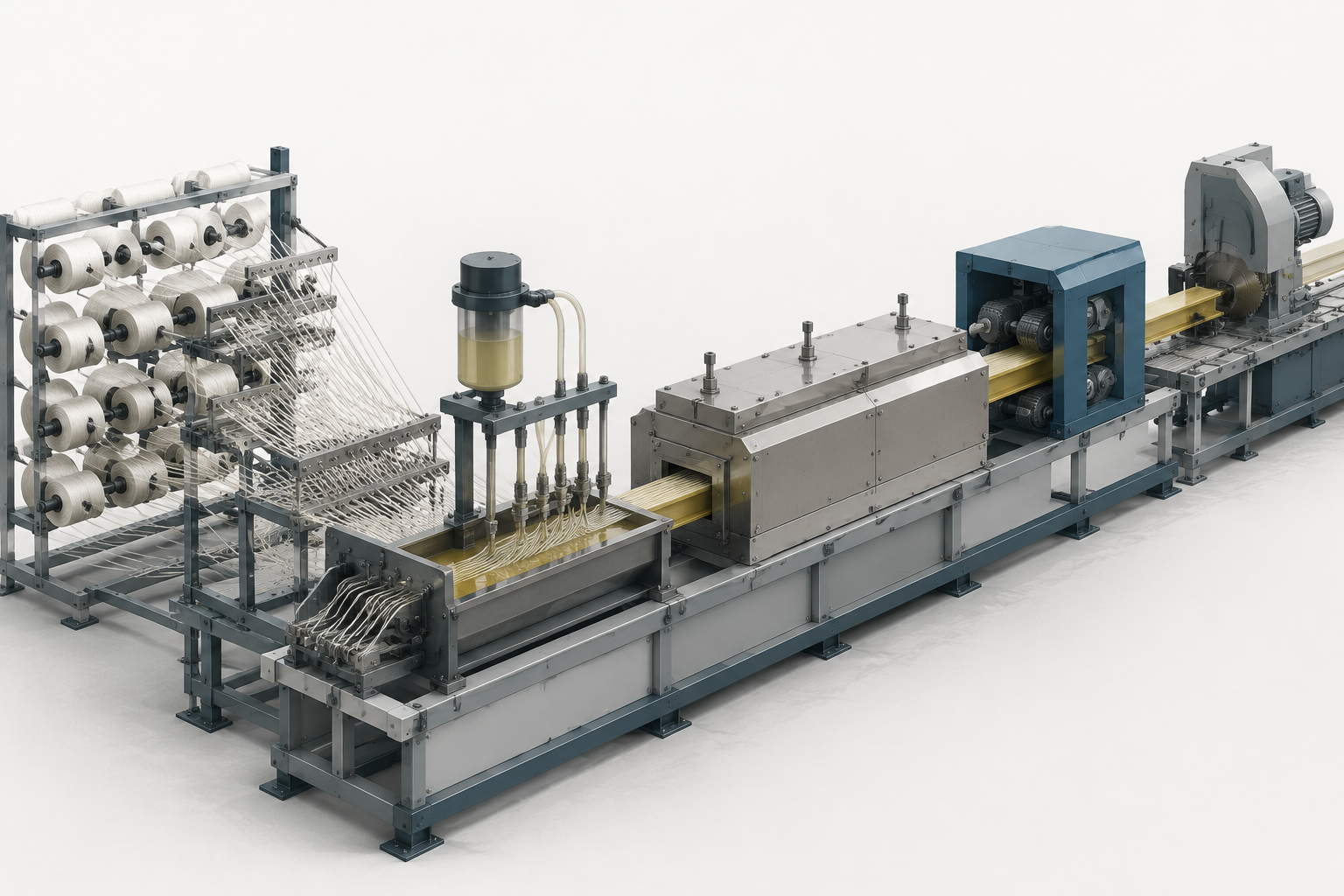
The Bridge Model
Turn application targets into material, section, assembly, and test implications.
Compare PU, epoxy, thermoplastic, flame-retardant, coating, and coat-free paths.
Check wet-out, cure, preforming, die behavior, speed, straightness, and defects.
Evaluate machining, corner-key fit, clamp behavior, coating adhesion, and finish quality.
Prepare for UV, wet heat, thermal cycling, salt mist, PID, fatigue, and batch stability.
Case Evidence
From bus panels and wind blade internals to EV battery profiles and photovoltaic frame systems, the risk is rarely a single material value. It is whether material, structure, process, surface quality, assembly, and validation can work together.
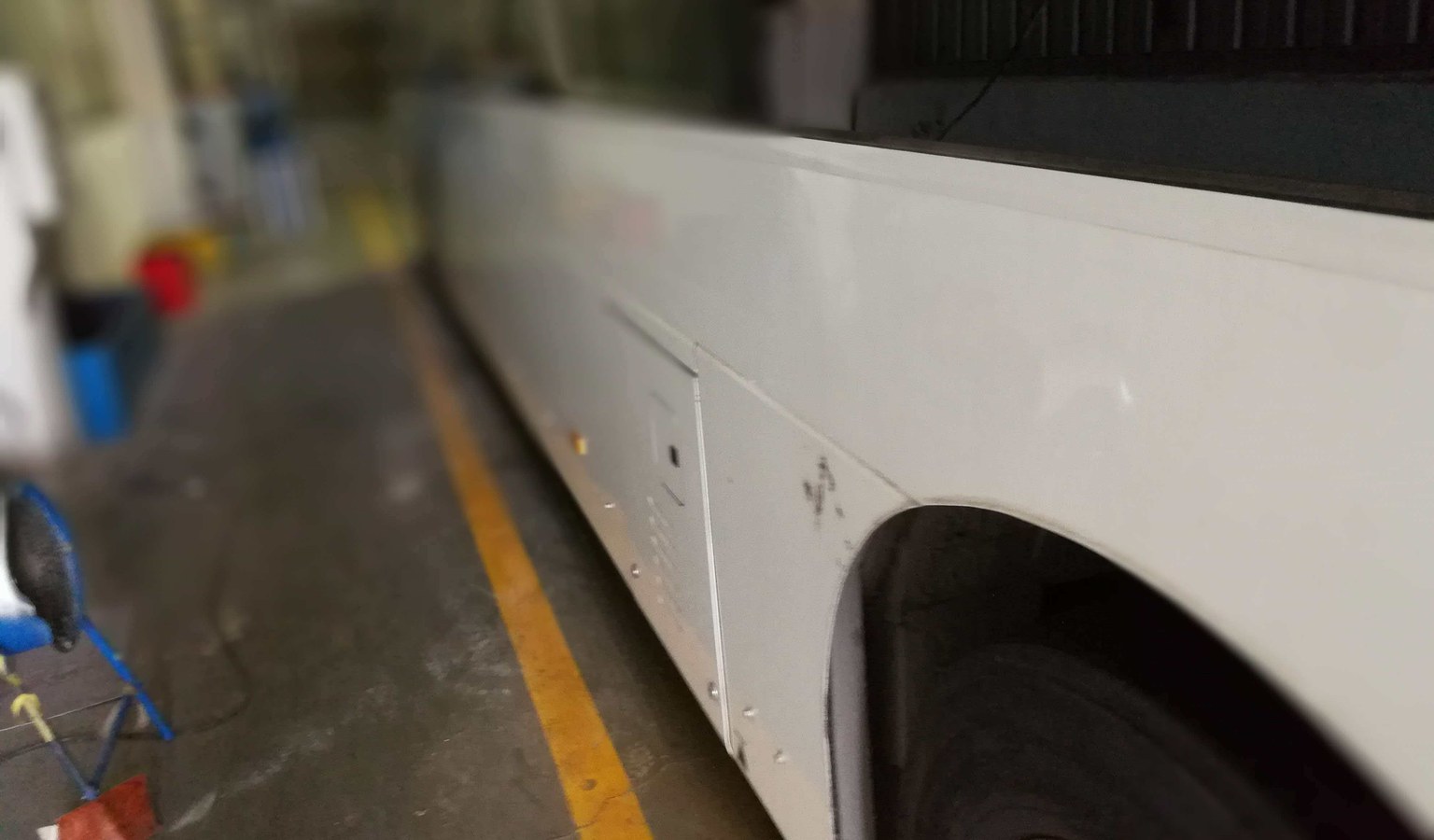
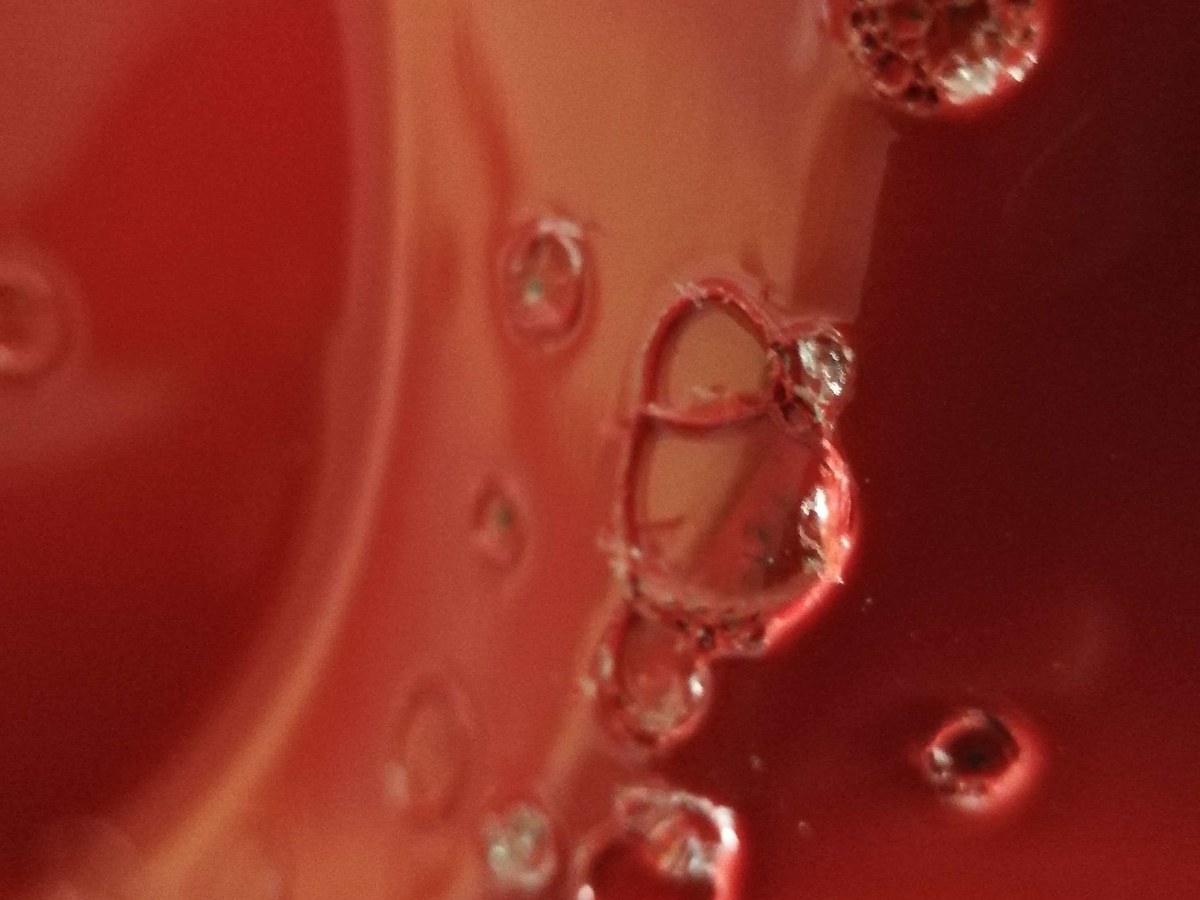
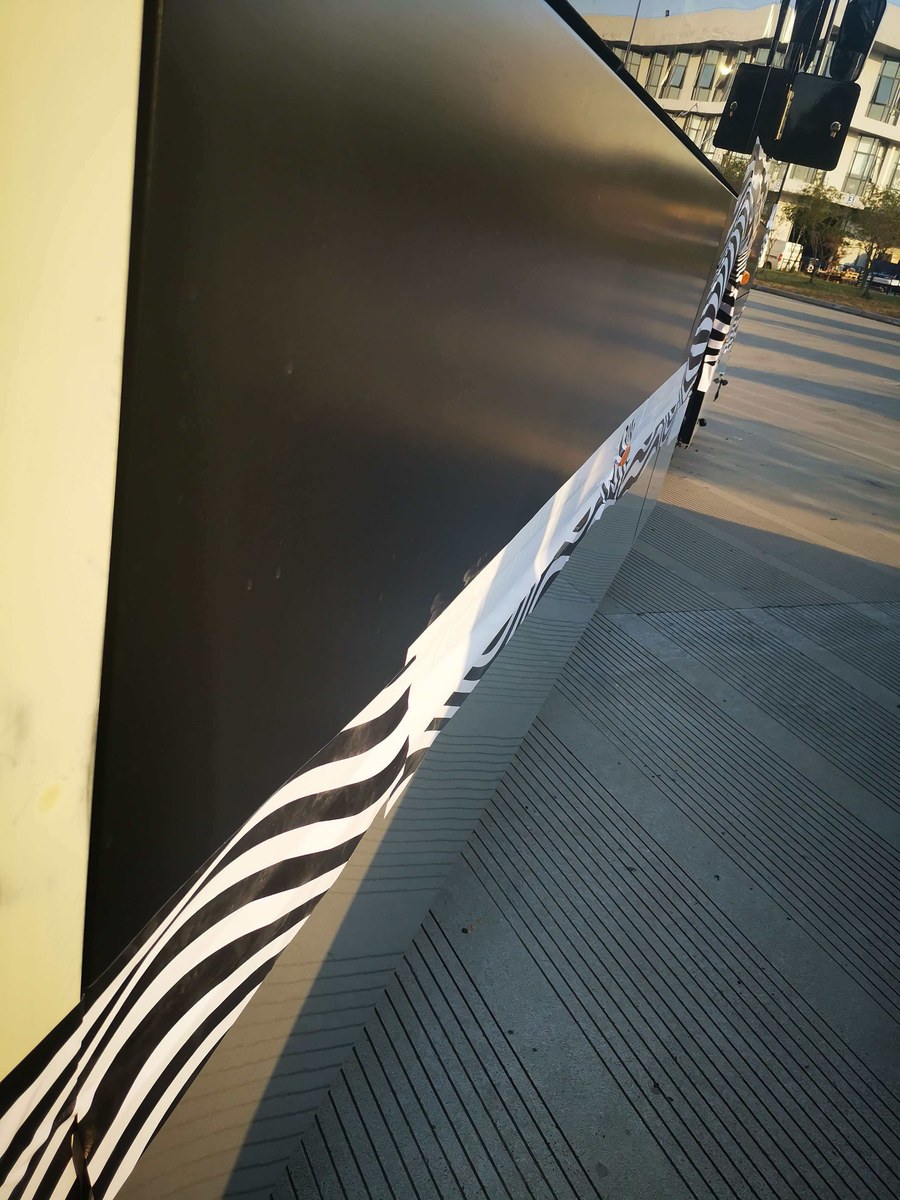
The hard part is not weight reduction. It is judging how bubbles, paint adhesion, and Class-A appearance are linked to structure, formulation, molding, release chemistry, surface preparation, and coating.
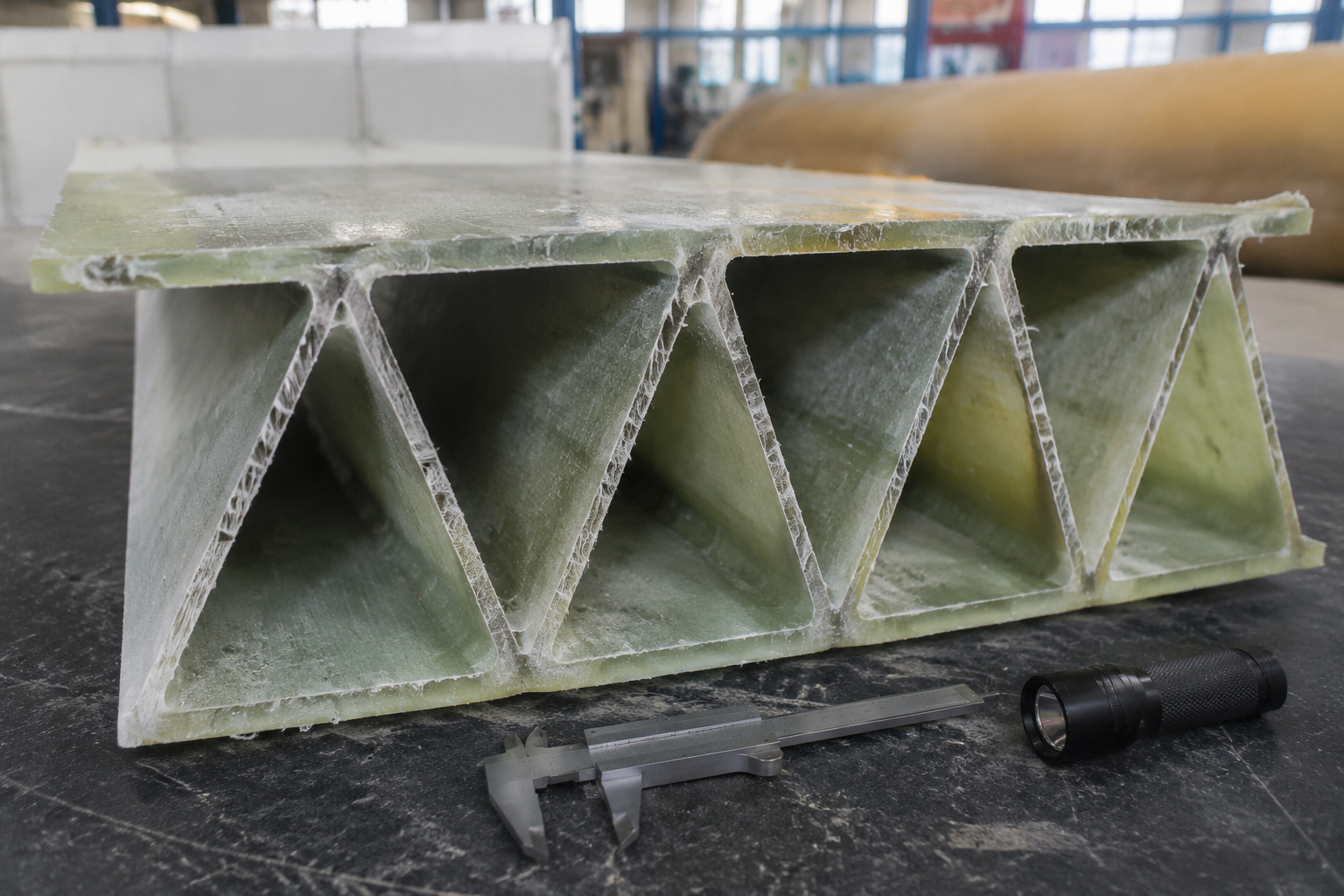
Internal voids and bubbles are not cosmetic. They affect wet-out quality, preforming consistency, strength, and long-term fatigue reliability.
Judgment focus: internal defects -> process window -> fatigue reliability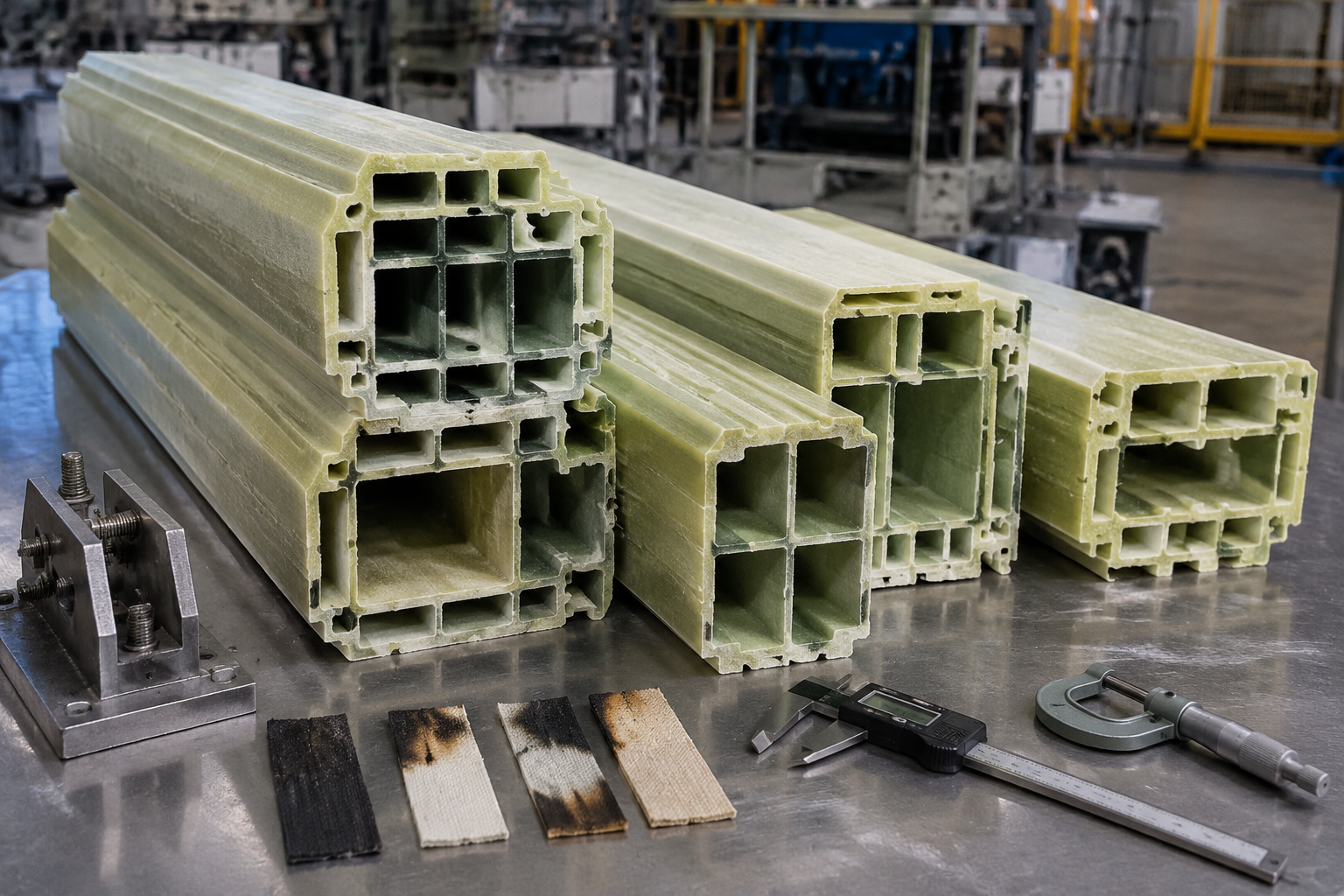
The challenge is not insulation. It is the tradeoff between flame retardancy, strength, complex hollow geometry, and manufacturability.
Judgment focus: flame rating -> complex section -> stable production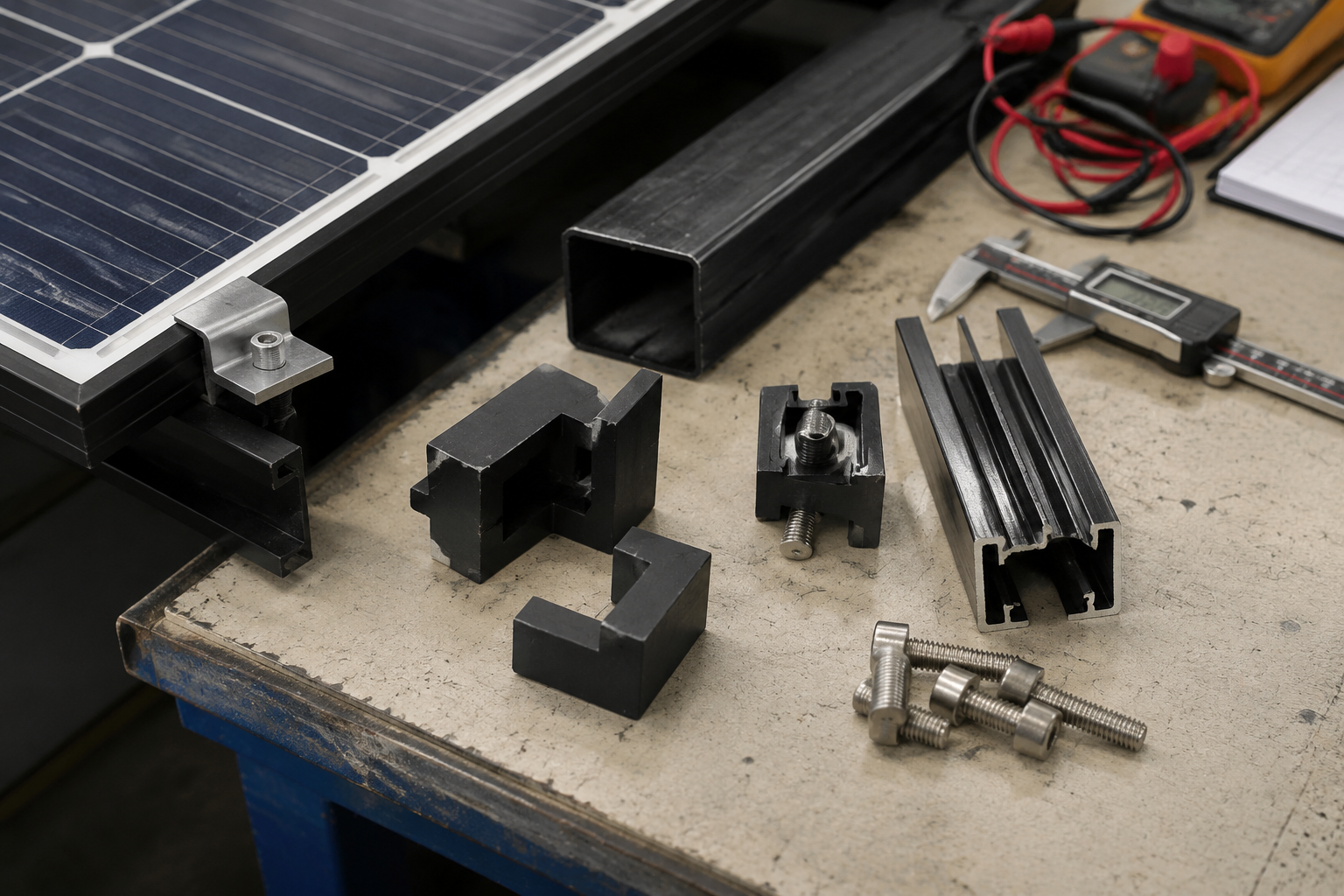
The focus is judging whether a specific frame route can reach stable pultrusion, assembly, certification, and long-term outdoor use.
Judgment focus: straightness -> corner assembly -> certification and field useThe focus is not one isolated parameter, but whether the route can move from sample and trial production into stable manufacturing and long-term use.
Services
Early project risk framing using drawings, TDS, sample history, failure photos, supplier technical information, and application targets.
Material route, supplier technical qualification, testing route, and sample decision support before mold or certification commitments.
Project-based support for unstable pultrusion, coating, assembly, dimensional, production, or certification problems.
Insights
What must be checked after the datasheet: processing, assembly, testing, and batch stability.
How wet-out, cure, die behavior, straightness, and line speed create production risk.
Why IEC / TÜV readiness must connect coating, corner assembly, insulation, and field exposure.
Applications
Readiness Layer
A composite route is not ready because one test result looks good. It has to connect requirements, material behavior, processing, assembly, certification, and field performance.
Resin route, fiber architecture, toughness, aging, and cost window.
Wet-out, cure, line speed, straightness, tolerance, and batch rhythm.
Coating adhesion, UV exposure, color stability, release, and repair path.
Corner key, clamp, machining, pull-out, fit-up, and installation handling.
IEC / TÜV context, salt mist, wet heat, thermal cycling, PID, and insulation.
Marine, rooftop, BIPV exposure, maintenance access, and warranty risk.
Start Before Tooling
Describe the problem you are trying to de-risk and leave a work email. Add project context if useful; no file upload is required at this stage.
To protect your intellectual property, please do not send proprietary drawings, datasheets, or internal reports through this form. We will first understand the project risk, then request technical documents by email, WhatsApp, or NDA-backed exchange if needed.
FAQ
You should talk to them. But many failures happen between material selection and production reality. LAU evaluates whether resin route, section design, preforming, tooling, pultrusion window, assembly, and validation can work together.
No. The service is supplier technical qualification and supply-chain technical risk audit. It does not depend on supplier commissions or purchasing margins.
No. The first form only collects project context. Proprietary files can be requested later by email, WhatsApp, or NDA-backed exchange if needed.